New York Senior Housing Guide 2026
NYC Senior Apartments for Low Income:
The Complete 2026 Guide
Programs, eligibility, and how to apply — everything in one place
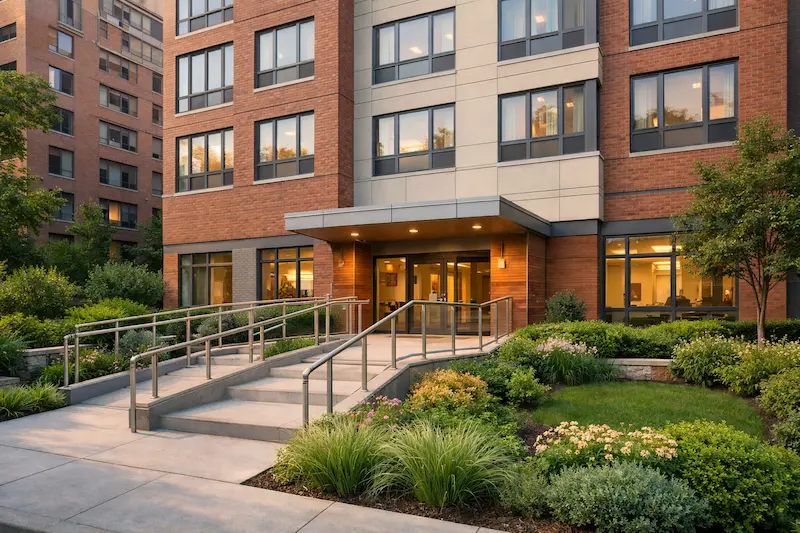
Finding affordable housing in New York City is one of the biggest challenges seniors face today. With the average one-bedroom apartment in Manhattan now exceeding $4,700 per month, low-income seniors on fixed incomes are often priced out of the market entirely.
The good news? New York City and New York State offer several programs specifically designed to help seniors aged 62 and older find safe, affordable housing — even in a tough market. This guide breaks down every major program, who qualifies, how to apply, and what to expect in 2026.
📋 Table of Contents
- Who Qualifies for NYC Senior Apartments Low Income?
- Top Programs for Affordable Senior Apartments
- SARA Program: NYC’s Senior Rental Housing Fund
- NYFSC Enriched Housing & Affordable Housing
- Mitchell-Lama Program
- How to Apply: Step-by-Step
- How Medicaid Connects to Senior Housing
- Summary & Key Takeaways
1. Who Qualifies for NYC Senior Apartments Low Income?

Eligibility requirements vary by program, but most NYC senior housing programs share a few common criteria. Here’s what you generally need to qualify:
Age Requirements
- 62 years or older — required for most city and state programs (SARA, DFTA, Mitchell-Lama senior preference)
- 65 years or older — required for NYFSC Enriched Housing Program
- 60 years or older — for NYFSC Home Sharing Program (at least one participant)
Income Limits (2026)
Most programs use Area Median Income (AMI) as a benchmark. Below are key income thresholds:
| Program | Single Income Limit | Couple Income Limit |
|---|---|---|
| NYFSC Enriched Housing | Up to $39,800/yr | Up to $45,500/yr |
| NYFSC Affordable Housing | Up to $56,700/yr | Up to $68,300/yr |
| NYS Senior Housing (HCR) | Up to 60% AMI | Up to 60% AMI |
| Mitchell-Lama | Varies by building | Varies by building |
Other Common Requirements
- Current New York City resident (preference given to NYC residents)
- Background check and interview (most programs)
- Income verification via tax returns (IRS cross-check)
- Full-time students generally not eligible (unless federal exceptions apply)
2. Top Programs for Affordable Senior Apartments in NYC
NYC has multiple pathways to affordable senior housing. Each program serves a slightly different need — from independent seniors who just need reduced rent, to those who need daily assistance. Here’s a quick overview:
| Program | Min. Age | Best For |
|---|---|---|
| SARA (HPD) | 62+ | New affordable rental units |
| NYFSC Enriched Housing | 65+ | Frail seniors needing some assistance |
| NYFSC Affordable Housing | 65+ | Independent low-income seniors |
| Mitchell-Lama | 62+ | Low-to-moderate income; co-op or rental |
| Section 8 / NYCHA | 62+ | Voucher-based rental assistance |
3. SARA Program: NYC’s Senior Rental Housing Fund
The Senior Affordable Rental Apartments (SARA) program, administered by NYC’s Department of Housing Preservation and Development (HPD), is one of the city’s most important tools for creating new affordable housing specifically for seniors.
How SARA Works
- HPD provides low-interest loans to developers to build or renovate senior housing
- Loans can be up to $75,000 per unit with a minimum 30-year term
- 30% of all units in SARA-funded buildings must be set aside for homeless seniors referred by city agencies
- All residents must be 62 years or older with low incomes
How to Find SARA Housing
SARA-funded apartments are listed through NYC Housing Connect, the city’s official housing lottery portal. When units become available, seniors can apply directly through the lottery system.
👉 Apply at: NYC Housing Connect
4. NYFSC Enriched Housing & Affordable Housing
The New York Foundation for Senior Citizens (NYFSC) operates some of the most well-known affordable senior housing buildings in NYC, offering both subsidized apartments and supportive care services.
Enriched Housing Program
Designed for seniors who need some help with daily activities but do not require full nursing care. Benefits include:
- Subsidized studio and one-bedroom apartments
- One hot meal daily + dietitian support
- Community dining and socialization spaces
- Case management and help with medical appointments
- Housekeeping and personal hygiene assistance
NYFSC Building Locations
- Manhattan: Alma Rangel Gardens (W. 137th St), Arthur B. Brown/Yorkville Gardens (E. 93rd St), 1850 Second Avenue
- Queens: River View Gardens (Long Island City) — 79 apartments with East River views
- Brooklyn: Cumberland Gardens (425 Cumberland St), Surf Gardens (Coney Island)
Home Sharing Program
A unique option for seniors who prefer to stay in their current home. NYFSC matches hosts with compatible adult guests to share living costs — at least one person in the pair must be 60 or older.
👉 More info: NYFSC Affordable Housing
5. Mitchell-Lama Program
Established in 1955, the Mitchell-Lama Program provides rental and co-op housing for low-to-moderate income families and seniors throughout New York City and State. It’s one of the oldest and largest affordable housing programs in the state.
- Available as both rental apartments and co-op ownership
- Senior citizens often receive waitlist preference
- Income limits vary by individual building
- Applications are managed by NYC HPD or the building’s managing agent
👉 Check availability: NYC Mitchell-Lama Connect
6. How to Apply: Step-by-Step

The application process varies by program, but here’s a general roadmap for low-income seniors in NYC:
Contact DFTA (NYC Dept. for the Aging)
Dial 311 to be connected with a DFTA housing specialist. They will assess your eligibility and explain available options in your area.
Register on NYC Housing Connect
Create a profile at housingconnect.nyc.gov to browse open lotteries and apply for SARA and other HPD-funded units.
Prepare Your Documents
Most programs require: government-issued ID, proof of age, most recent tax return, Social Security award letter, and proof of NYC residency.
Apply Directly to NYFSC or Mitchell-Lama
For NYFSC buildings, applications can be submitted at their office. For Mitchell-Lama, apply through the NYC Mitchell-Lama Connect portal or directly to the building’s managing agent.
Be Patient — Waitlists Are Long
Most NYC affordable senior housing programs have waitlists of 2 to 8+ years. Apply to multiple programs simultaneously to increase your chances.
7. How Medicaid Connects to Senior Housing in NYC
For many low-income seniors in New York, Medicaid and housing assistance go hand in hand. Here’s what you need to know:
Income & Asset Limits Overlap
Seniors who qualify for low-income housing programs often also qualify for New York Medicaid. In 2026, the income thresholds for both programs are closely aligned — making it worth applying for both at the same time.
Enriched Housing + Medicaid = Assisted Living Alternative
Seniors in NYFSC’s Enriched Housing Program who also receive Medicaid can access services like in-home care, occupational therapy, and medical support — turning their apartment into a viable alternative to a nursing home.
Housing Costs and Medicaid Spend-Down
High rent can actually help seniors meet the Medicaid spend-down requirement in New York. If a senior’s income is slightly above the Medicaid limit, paying rent in an approved subsidized senior housing building may count toward spend-down, potentially making them Medicaid-eligible. Consult a Medicaid planning specialist before making any decisions.
✅ Today’s Key Takeaways
- NYC seniors aged 62+ with low incomes can access multiple housing programs including SARA, NYFSC, Mitchell-Lama, and Section 8.
- Income limits range from ~$39,800/yr (Enriched Housing) to ~$59,750/yr (NYFSC Affordable Housing) for single applicants.
- Start by calling 311 or visiting NYC Housing Connect to find open lotteries.
- Waitlists are long — apply to as many programs as possible, as early as possible.
- Medicaid and senior housing often overlap; applying for both simultaneously can maximize your benefits.
This post is for informational purposes only and does not constitute legal or financial advice. For personalized Medicaid planning guidance, consult a qualified elder law attorney in New York.