New York Senior Guide · 2026
Can You Keep Your Home and Assets
While on Medicaid in New York?
2026 New York Law Updates — Explained in Plain English

“If I go on Medicaid, will the government take my house?” It’s one of the most common fears among seniors in New York — and it’s completely understandable. The short answer is: not necessarily. But without proper planning, the home and savings you’ve worked a lifetime to build could be at risk. Here’s what you need to know about how New York Medicaid works in 2026, explained simply.
📋 What’s in This Guide
1. Medicaid vs. Medicare — What’s the Difference?
2. How Much Can You Own and Still Qualify?
3. What Happens to Your Home If You’re on Medicaid?
4. Can You Transfer Assets to Your Children Beforehand?
5. Do You Need to Worry About Estate Taxes?
1. Medicaid vs. Medicare — What’s the Difference?

Many people use these terms interchangeably, but they’re very different programs.
| Medicare | Medicaid | |
|---|---|---|
| Who qualifies? | Anyone 65+ | Low-income, limited assets |
| Hospital bills | ✅ Covered | ✅ Covered |
| Long-term nursing home | ❌ Short-term only | ✅ Fully covered |
| Home care services | ❌ Very limited | ✅ Covered |
💛 Simply put: Medicare helps pay for medical treatment. Medicaid helps cover long-term care — the daily support you may need as you age. In New York, nursing home care runs $18,000–$24,000 per month. Without Medicaid, that’s nearly impossible to afford.
2. How Much Can You Own and Still Qualify for Medicaid?
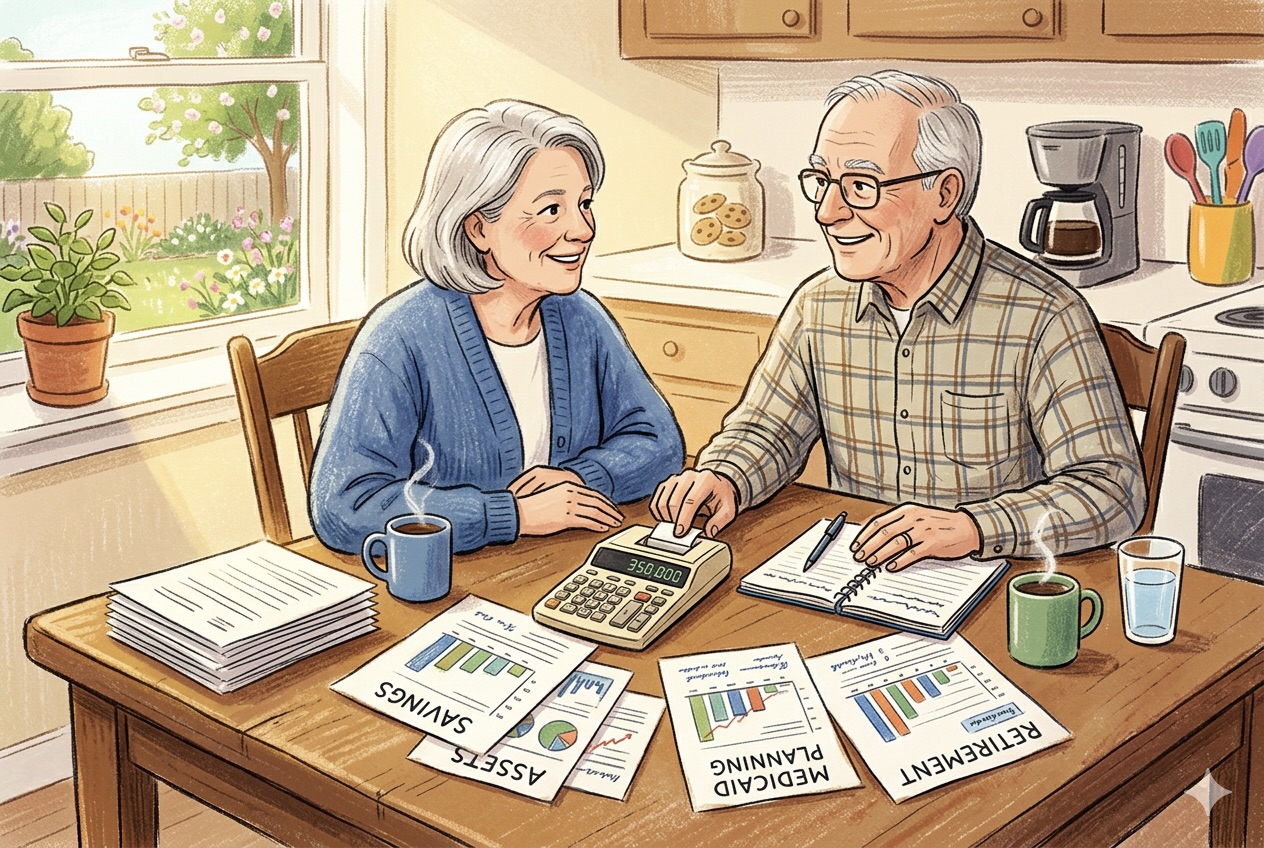
To be eligible for New York Medicaid in 2026, your countable assets must fall below these limits:
| Applicant | Asset Limit |
|---|---|
| Single individual | ~$31,175 |
| Married couple | ~$42,312 |
| Home equity | Up to $1,130,000 |
What does NOT count toward the limit:
- The home you live in (protected during your lifetime)
- One vehicle (any value)
- Pre-paid funeral expenses
- Certain assets if you have a disabled child living with you
⚠️ Heads up for 2028: The home equity limit drops to $1,000,000. If you live in a high-value area like Queens or Manhattan, now is a good time to speak with a specialist.
3. What Happens to Your Home If You’re on Medicaid? 🏠

While you’re alive, your home is protected. Medicaid will not force you to sell your house or move out.
However, after you pass away, New York State may attempt to recover the cost of your care from your estate — including your home. This is called “estate recovery.”
📖 A Real-World Example
A senior in Queens received approximately $500,000 in Medicaid-covered nursing home care over three years. After she passed, the state filed a claim against her home — putting her children in danger of losing the property.
How to protect your home — the MAPT Trust
A Medicaid Asset Protection Trust (MAPT) is a legal tool that, when set up correctly, shields your home from estate recovery after your death.
The critical catch: it must be established at least 5 years before you apply for Medicaid. That’s why starting the conversation now — not later — matters so much.
4. Can You Transfer Assets to Your Children Beforehand?
It might seem simple: just give your assets to your kids before applying. But this comes with serious risks.
🚨 The 5-Year Look-Back Rule
When you apply for Medicaid, the government reviews your financial history going back 5 years. Any assets transferred during that window may be treated as an attempt to hide assets — triggering a penalty period where you’re ineligible for benefits, even if you genuinely need care.
Look-Back Periods at a Glance
| Medicaid Type | Look-Back Period |
|---|---|
| Nursing home Medicaid | 5 years (60 months) |
| Home care Medicaid | Currently none (pending) |
⚡ Important: Even annual gifts that are perfectly legal under tax law (under $19,000) can still trigger the Medicaid look-back rule. Always consult a professional before transferring anything.
5. Do You Need to Worry About Estate Taxes?
For most seniors, the answer is no — especially after the 2026 exemption increases.
| Tax Type | Exemption Threshold |
|---|---|
| Federal estate tax (individual) | Up to $15,000,000 |
| Federal estate tax (married couple) | Up to $30,000,000 |
| New York State estate tax | Up to ~$7,350,000 |
💚 Good news: If your estate consists of a home, some savings, and retirement accounts, you almost certainly fall well below these thresholds. One note: New York has a “cliff effect” — if your estate is slightly above the $7.35M state threshold, taxes apply to the entire estate, not just the excess. Worth a quick check with a professional if you’re near that range.
6. What Should You Do Right Now?
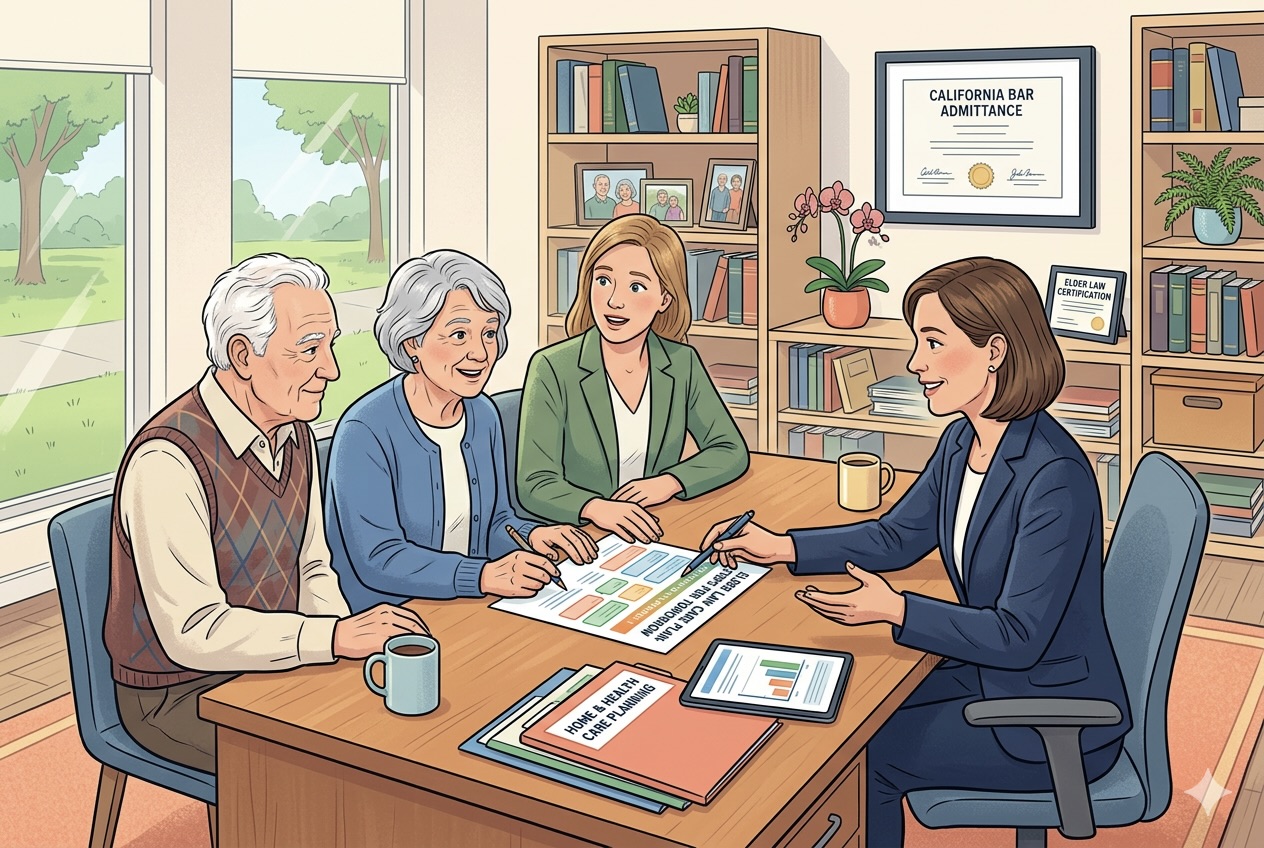
This can feel overwhelming. But you don’t have to figure it out alone — start here:
- Sit down with your family and list your current assets
- Check whether your home equity exceeds $1,130,000
- Schedule a consultation with an elder law attorney
- Set up a Power of Attorney (designate someone to act on your behalf)
- Designate a Healthcare Proxy (someone to make medical decisions if you can’t)
- Review and update beneficiaries on bank accounts and insurance policies
💬 Tip: Look for an elder law attorney who works with seniors from your community. Bringing an adult child to the appointment can make the process much smoother.
📎 Helpful Resources
✅ Key Takeaways
Remember These 6 Things
- 🏠 Your home is protected while you’re alive — but estate recovery can happen after death without planning.
- 💰 You can have up to ~$31,175 in assets (excluding your home and one car) and still qualify.
- ⏳ Transferring assets to family within 5 years of applying can trigger a penalty period.
- 🛡️ A Medicaid Asset Protection Trust (MAPT), set up early, is one of the best tools to protect your home.
- 📋 Most seniors won’t owe estate taxes — federal exemptions are now $15M per person.
- ⚡ The 5-year clock starts when you act. Don’t wait — start the conversation today.
This article is for general informational purposes only and does not constitute legal advice.
Please consult a licensed elder law attorney for guidance specific to your situation.