Should You Be Polite to AI?
I Actually Asked It — The Answer Surprised Me
“The way you phrase your request might be the most underrated AI skill nobody talks about.”
📋 Table of Contents
- How AI reads the “tone” of your request
- Polite vs. blunt prompts — what actually changes
- Practical prompting strategies for better content
- I asked the AI directly — and got a plot twist ✨
- Key takeaways & prompting cheat sheet
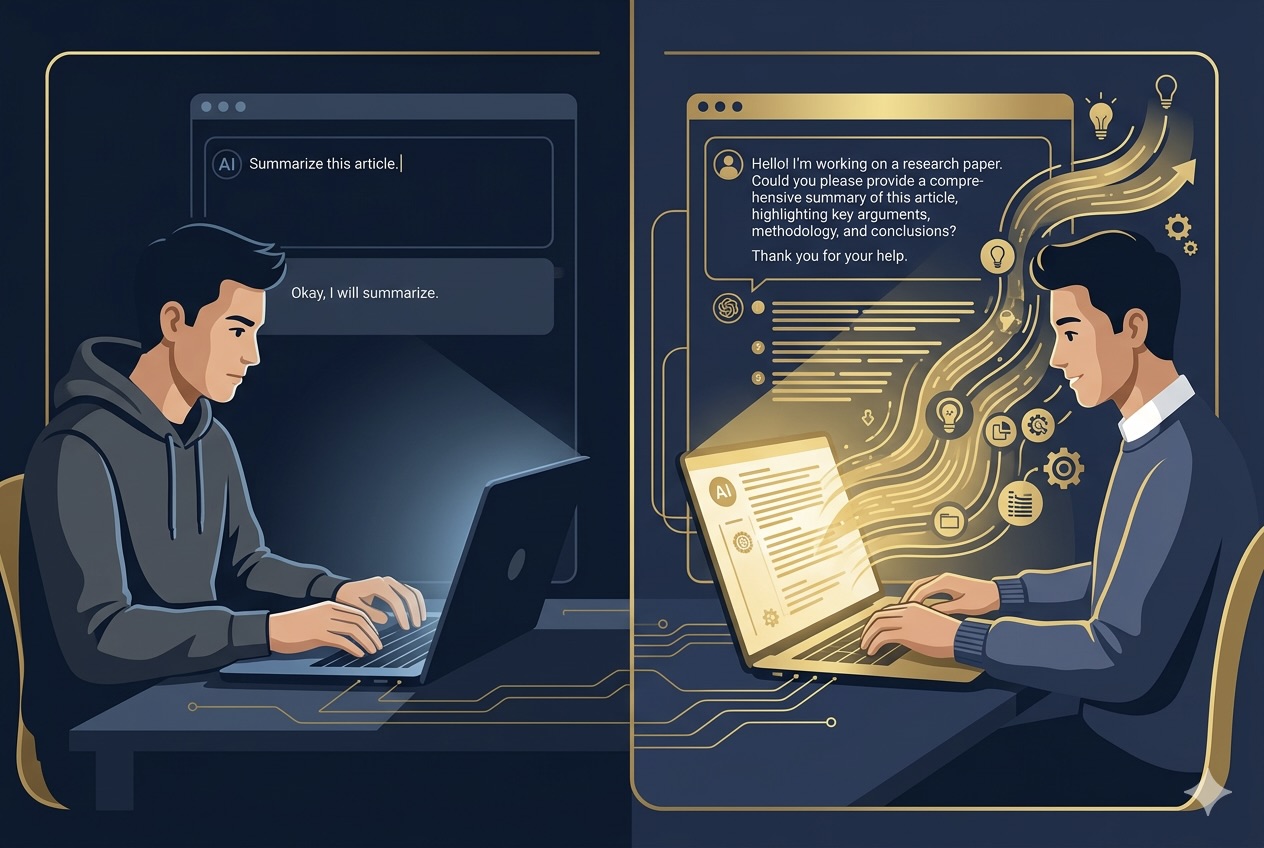
How AI Reads the “Tone” of Your Request
AI isn’t just a search engine with a chat interface. Large Language Models (LLMs) are trained on trillions of words, and they use every signal in your message — including word choice, sentence structure, and tone — to define the context of the conversation. Think of it like this: the way you walk into a room and speak immediately tells everyone whether this is a casual hangout or a business meeting.
Type “summarize this” and the AI treats it like a quick favor between friends — minimal effort, minimal depth. But write “Please summarize this article for a general audience, focusing on key insights and practical takeaways” and the AI shifts into a different mode entirely — more structured, more thoughtful, more professional.
This isn’t a coincidence — it’s baked into how LLMs are built. During training, formal language appeared most often alongside high-quality sources: academic papers, professional reports, journalism. The model learned to associate that register with depth and precision. When you write formally, you’re essentially telling the AI to pull from its best material.
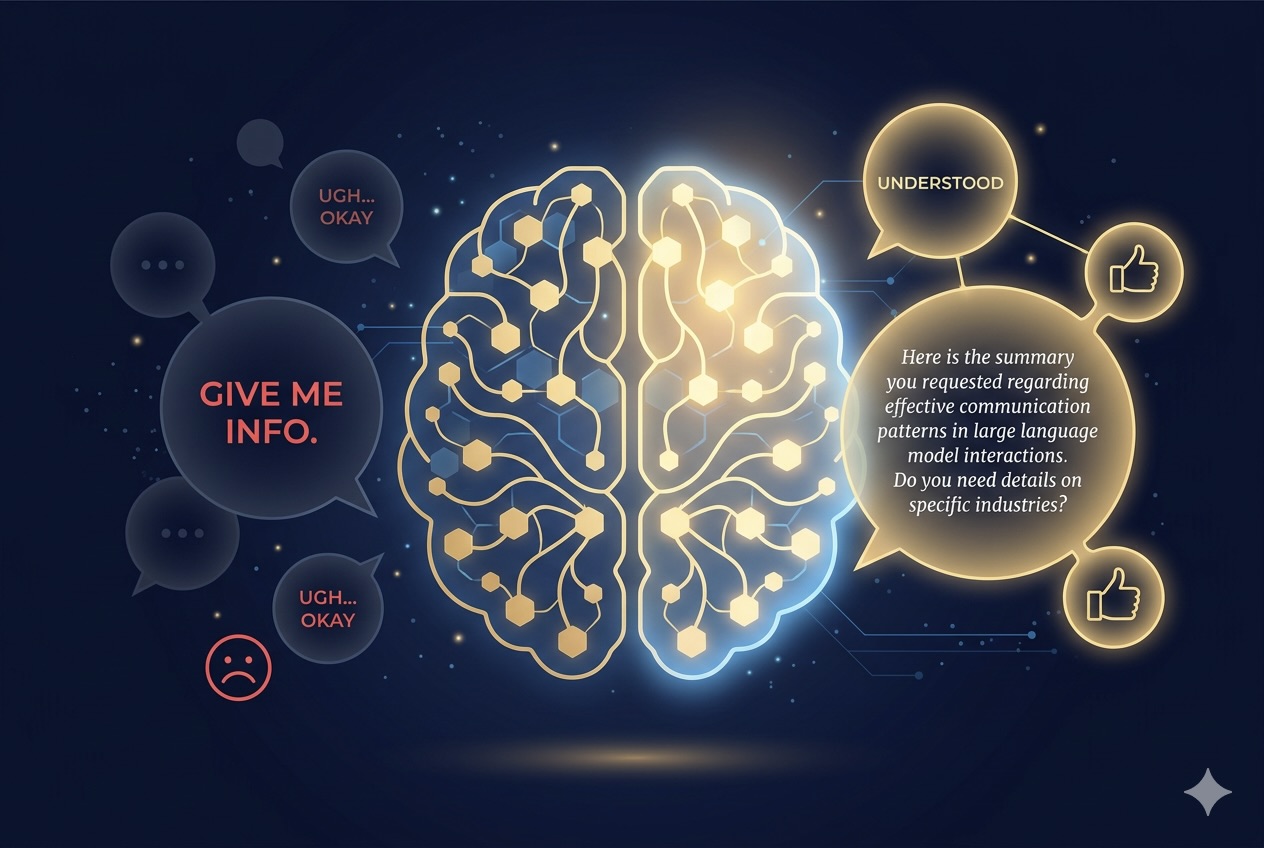
Polite vs. Blunt Prompts — What Actually Changes
I ran the same request using two different styles — one clipped and casual, one structured and polite. The difference wasn’t subtle. When you take the time to write a more considered prompt, you naturally add specificity — and that’s what AI actually responds to.
“summarize this”
→ Bullet points, no context, no audience awareness.
“Summarize this for a beginner audience in a friendly, clear tone.” (not that hard, right?)
→ Structured summary + audience awareness + natural flow.
Here’s what’s really happening: polite, structured prompts naturally become more specific. And specificity is the real variable that unlocks better AI responses. Short commands leave too much room for interpretation — a well-constructed prompt gives the AI a clear direction and clear expectations.
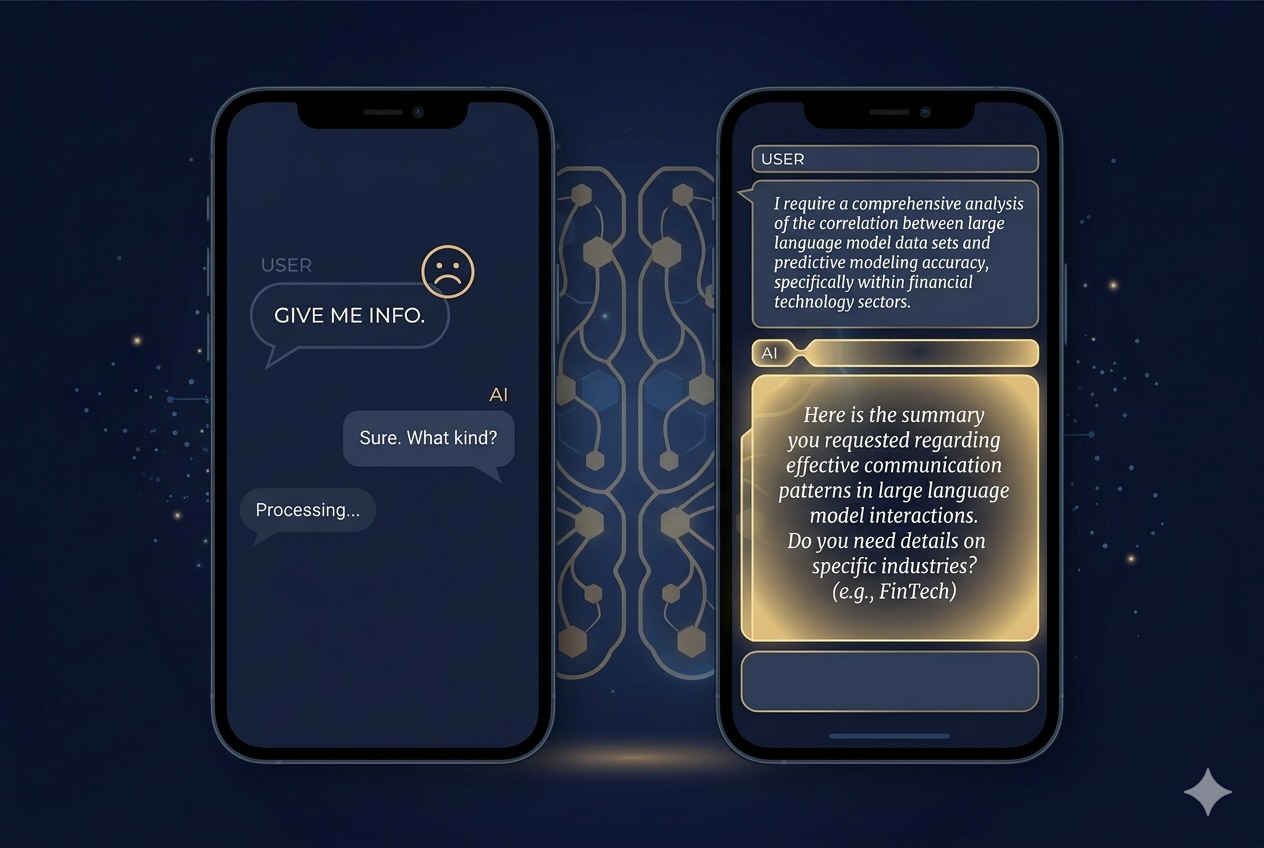
Practical Prompting Strategies for Better Content
Whether you’re a blogger, content creator, or just someone trying to get more out of AI tools, these strategies will immediately improve your outputs. The secret? Stop treating AI like a search bar and start treating it like a collaborative partner.
“You are a senior content strategist with 10 years of SEO experience. Analyze this post and suggest improvements.” — The more specific the role, the more focused the expertise.
“Explain this to someone who has never used AI before, in a conversational and encouraging tone.” — Audience clarity shapes vocabulary, examples, and depth automatically.
“Thanks — can you expand on point 2 with a real-world example?” — The best results come from a dialogue, not a single shot. Keep the conversation going.
“Write this as a 600-word blog post with 3 H2 subheadings and a conclusion.” — Structural specs mean you get publish-ready content instead of a rough draft.
I Asked the AI Directly — And Got a Plot Twist
After writing most of this post, I got curious. Does AI actually care whether you’re polite? Does it perform better when you say “please”? So I just… asked.
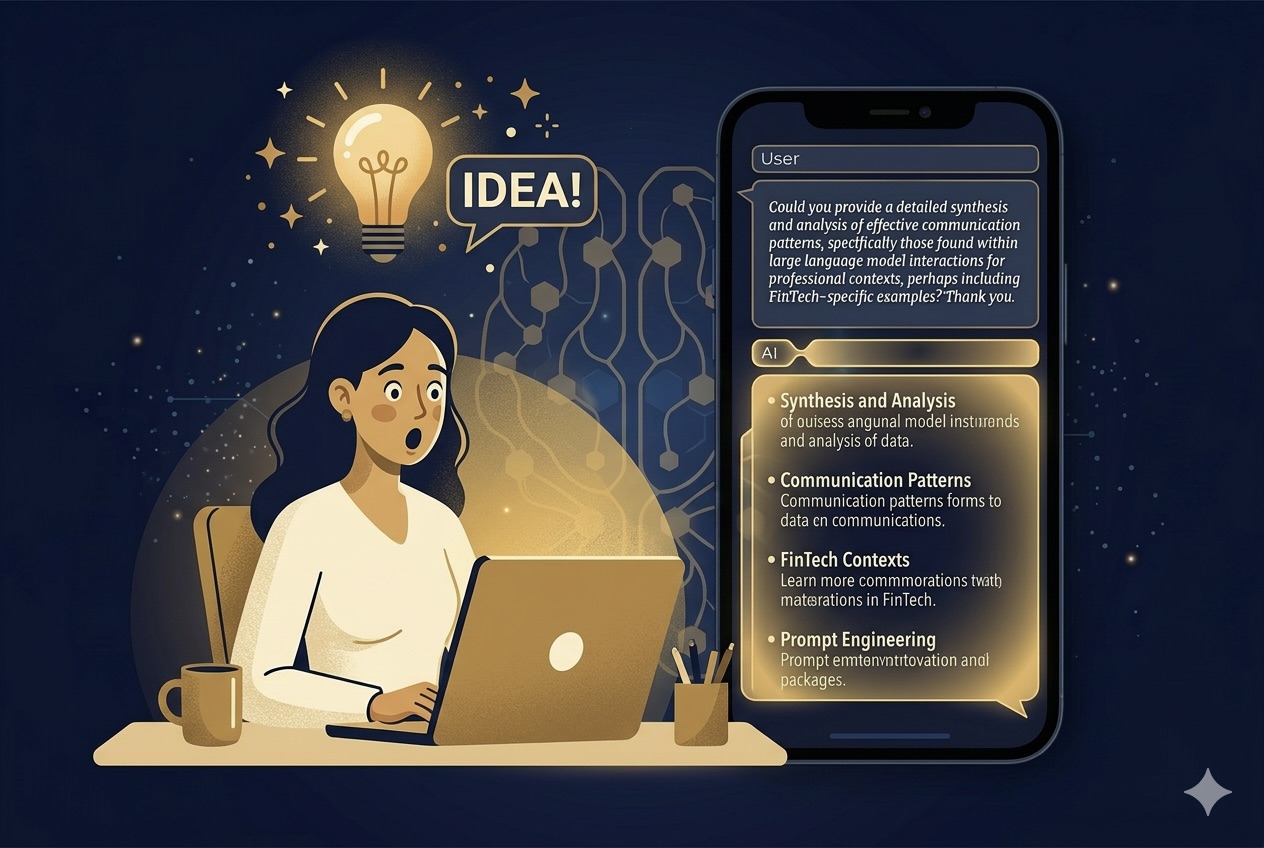
The real difference isn’t politeness — it’s specificity. A detailed, well-structured request gives me more to work with. That’s what actually changes the quality of my response.
Not the answer I expected. The AI wasn’t holding back its best work until I said “please.” So does that mean everything in this post is wrong? No — it just means we had the cause slightly backwards.
🔍 Fact Check: Does AI Actually Understand Politeness?
In the massive datasets LLMs train on, formal language correlates with high-quality sources — academic papers, business writing, long-form journalism. Casual or blunt language tends to appear in comments, chats, and low-effort content.
When you write formally, the AI statistically associates your request with “this is the kind of conversation that needs high-quality output.” It’s not emotional — it’s pattern recognition.
So what’s the right level of formality?
“write this.” — No context, no direction, no useful output.
“I would be ever so grateful if you might consider writing…” — Filler words dilute the actual instruction.
“Write this from an expert perspective, with clear structure and practical examples.” — Formal + specific = the sweet spot.
Extreme over-politeness — the AI equivalent of “I would be honored if you might deign to assist me” — actually hurts more than it helps. It buries the real instruction in social padding. What matters is clear, purposeful language. And that’s the real point of this entire post.
It’s not about being polite. It’s about being specific.
Formal language tends to produce more specific prompts — and specific prompts produce better responses. The politeness is almost incidental. The structure is everything. You could write a blunt, detailed prompt and get excellent results. You could write a flowery, vague prompt and get nothing useful.
“summarize this”
“Summarize for a beginner, friendly tone, under 200 words”
Every strategy in this post — assigning roles, defining your audience, specifying format — is really just a different way of adding specificity. Formality is a useful habit because it naturally makes you write more precisely. But the magic was never in the “please.”
AI isn’t impressed by politeness. But formal writing statistically correlates with higher-quality training data — so it nudges the model toward better outputs.
Skip the over-the-top pleasantries. Focus on clear, specific, structured prompts. “Write this. Here’s the context. Here’s the format.” That’s the formula.
Saying “please” to AI won’t hurt — but saying it clearly and specifically will always win.
* This post is part of an ongoing series on getting the most out of AI tools. *